
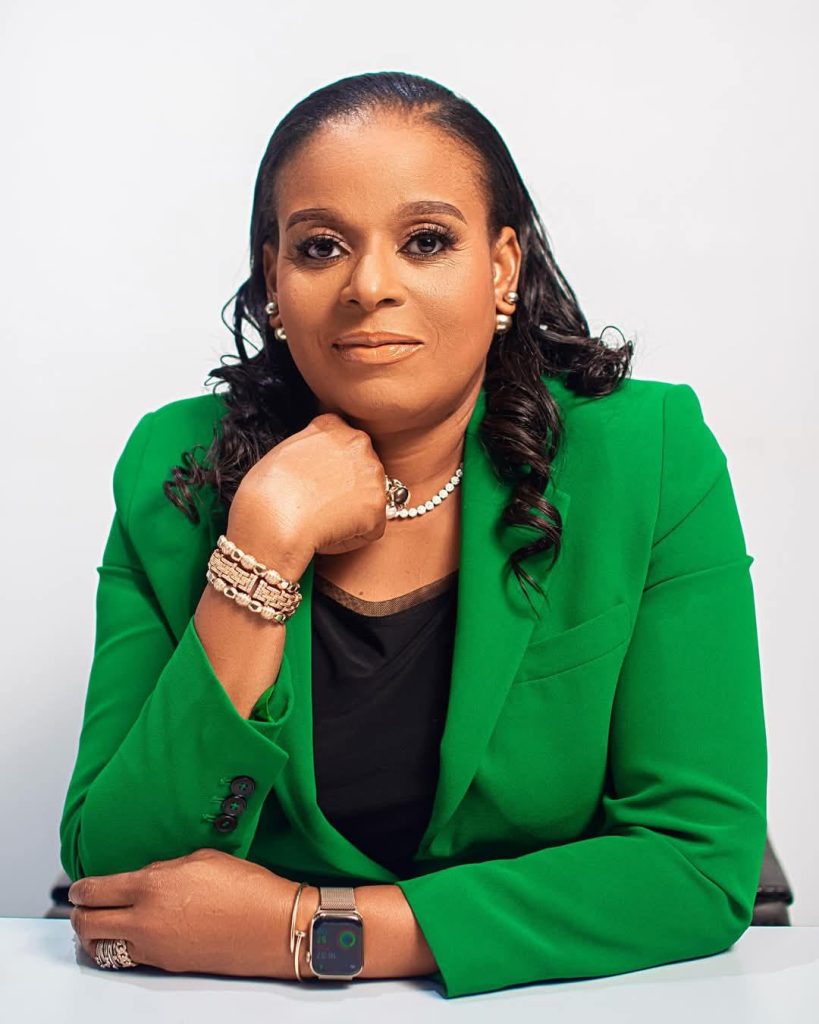
In a strong and timely appeal, Nonye Soludo, First Lady of Anambra State, has called on all segments of society — government, religious and traditional leaders, community organisations, and individuals — to join hands in confronting gender-based violence (GBV) and prioritise concrete actions over empty rhetoric.
Addressing the urgent issue, Mrs. Soludo emphasised that fighting GBV requires more than expressions of sympathy; what’s needed is a sustained, collaborative effort that brings meaningful change, supports survivors, and ensures accountability.
“It is time for all of us — leaders and citizens alike — to stand up, act decisively, and protect the dignity and rights of everyone in our communities,” she said.
A recent community-level review of GBV response capacity triggered concern when the Gender Perspective and Social Development Centre (GPSDC) highlighted that Anambra currently has only one operational Sexual Assault Referral Centre (SARC) — located in Enugwu Ukwu, Njikoka LGA. The group called for at least one SARC per senatorial zone to improve access for survivors.
The absence of a fully functioning “Violence Against Persons (Prohibition) Commission” in the state has also slowed down coordinated responses to GBV, underscoring a gap in institutional capacity and support.
Survivors and witnesses often face logistical barriers from lack of transport to court to inadequate legal support preventing them from seeking justice. Without these supports, many cases go unreported or unprosecuted.
In this light, Mrs. Soludo’s call is more than symbolic it draws attention to structural weaknesses that hinder effective GBV response and prevention in Anambra.
Mrs. Soludo’s statement underscores a shift from awareness to action. What stakeholders say is needed includes:
-
Infrastructure expansion building more SARCs and shelters across the state so survivors have safe, accessible points for support.
-
Legal and institutional reforms establishing or strengthening a dedicated GBV commission or agency to coordinate prevention, prosecution, and survivor support.
-
Community engagement & sensitisation involving religious, traditional, and local leaders to challenge harmful norms, support victims, and promote gender equality at grassroots level.
-
Support systems for survivors ensuring access to legal aid, psychosocial support, transport and rehabilitation services so survivors can pursue justice without undue hardship.
These measures when pursued collectively could transform the current landscape where many victims remain silent or vulnerable due to fear, stigma, or lack of resources.
With her recent remarks, Nonye Soludo has added momentum to the fight against gender-based violence urging a shift from talk to tangible action. But the real test will be whether this call translates into the societal commitment, resource allocation, and structural reforms needed to protect victims, prevent abuse, and hold perpetrators accountable.
By elevating the conversation and pointing out concrete gaps she has opened a door. It is now up to all stakeholders to walk through it and deliver lasting change.