


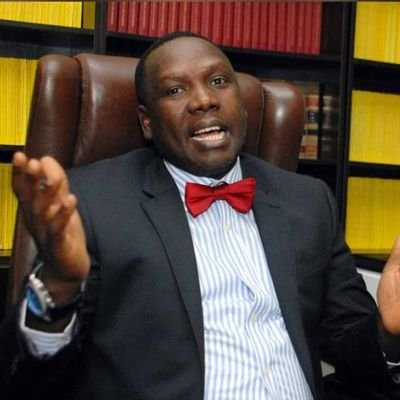
Special Adviser to President Bola Tinubu on Policy Communication, Daniel Bwala, has defended Tinubu’s controversial 2014 demand for the resignation of the then-administration following the kidnapping of over 200 schoolgirls from Chibok, Borno State.
Bwala, speaking on recent debates surrounding national security, described Tinubu’s position at the time as “a legitimate and justified call rooted in the gravity of the tragedy and the government’s apparent denial of the situation.”
In April 2014, Boko Haram terrorists abducted 276 girls from Government Girls Secondary School, Chibok ;a tragedy that drew global outrage and birthed the #BringBackOurGirls movement. At the time, Tinubu, then a leading figure of the opposition, said the incident reflected a profound failure of leadership, arguing that such a lapse in national security warranted a resignation.
Bwala now insists that Tinubu’s assessment was accurate, stating that the then-administration “had no coordinated strategy, denied the scale of the abduction in the early days, and allowed terrorists to control communities where they imposed taxes and operated freely.”
Opposition groups and civil society activists have accused the present administration of double standards noting that insecurity persists and school abductions have not been fully eradicated. Some critics argue that Tinubu’s past rhetoric should hold his government to the same standards today.
Bwala, however, maintains that the situations are not identical. According to him, Tinubu’s government has adopted a more assertive approach, particularly in its refusal to negotiate or pay ransoms to kidnappers a practice he claims previously empowered criminal groups.
“Negotiating with terrorists only strengthens them,” Bwala said, emphasizing the administration’s belief that ransom payments fuel insurgency by enabling criminals to purchase weapons and expand operations.
Advocacy groups, especially the #BringBackOurGirls coalition, continue to pressure the government to release the full report of the Sabo Committee the investigative panel that reviewed the Chibok abduction in 2014. Many believe the report contains crucial details that have never been made public.
While several Chibok girls have been rescued over the years, dozens remain unaccounted for more than a decade after the initial tragedy, intensifying demands for transparency and accountability from both past and present administrations.
Bwala’s recent comments highlight how the Chibok incident remains a charged political subject. For the Tinubu administration, it is an opportunity to contrast past governance with what it claims is a firmer, more strategic security policy. For critics, it is a reminder that rhetoric must match results especially as insecurity and kidnapping remain pressing national concerns.
As Nigeria continues to confront widespread criminality, the legacy of Chibok and the political battles tied to it continues to shape conversations around leadership, responsibility, and the nation’s long-term security strategy.