


Strong Words at Jos Christmas Carol: “No More Talks — Use Force or Seek Help Outside”
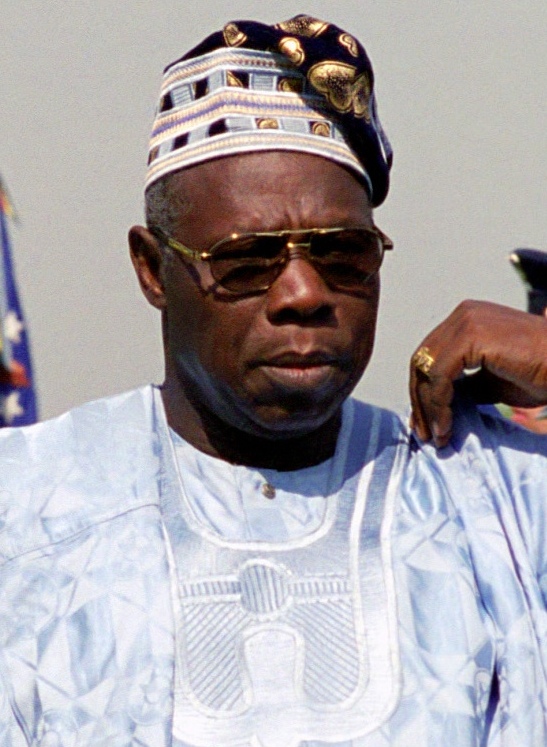
At the 2025 Plateau State Unity Christmas Carol and Praise Festival in Jos, Plateau State, former President Obasanjo made a forceful appeal to the federal government: he urged them to abandon any practice of negotiating or pleading with terrorists and bandits, and instead adopt a proactive, force-driven approach even calling on international partners if necessary.
His intervention comes at a time of rising insecurity across the country, with frequent killings, mass abductions, and attacks on communities, schools, worshippers, and civilians.
Obasanjo said emphatically:
“Why are we apologising? Why are we negotiating?” — stressing that calls for dialogue with terrorists essentially signal weakness and erode trust in Nigeria’s ability to protect its citizens.
He noted that with current technological capacities drones, surveillance, intelligence criminals should no longer have safe havens. Instead of overtures to armed groups, the government should leverage these tools to locate and neutralize threats decisively.
In recent weeks Nigeria has witnessed a spate of violent incidents: massive kidnappings, attacks on communities, raids on schools, and abductions of worshippers. For example, there have been high-profile school abductions in states like Niger and Kebbi, among others further stoking widespread fear and outrage.
This wave of insecurity is fueling growing disillusionment among citizens, many of whom feel the state has failed in its most basic duty: protection of lives and property.
Obasanjo’s denunciation of negotiation reflects a broader critique: that engaging in talks or ransom deals with terrorists legitimizes them. By speaking with them, some argue, the government gives credence to their tactics and undermines the rule of law.
Indeed, a group of former federal lawmakers under the banner House to the Rescue has also condemned the government’s continued use of negotiation with criminal networks, warning that it incentivizes more kidnappings and violence.
What Obasanjo Is Proposing: Force + Technology + External Help as Last Resort
-
Use available technology — drones, satellite/surveillance, intelligence to track and eliminate terrorists (“flush them out of their hideouts”), rather than continuing to negotiate.
-
Invoke international cooperation — if domestic security forces cannot guarantee safety, Nigeria should not hesitate to ask for help from global partners. There is “no shame” in appealing to the international community when lives are at stake.
-
Treat all citizens equally — regardless of religion, tribe, or region. Obasanjo stressed that violence does not respect boundaries, and every Nigerian life matters.
He argued that current losses civilian deaths, frequent kidnappings, abductions of children and worshippers cannot continue while the government negotiates with criminals.
Why This Message Resonates And Why It’s Controversial
Resonance
-
Public frustration: Many Nigerians are frustrated with continuing insecurity, and Obasanjo’s remarks voice widely shared anger and fear.
-
Tangible failures: The regularity of kidnappings and attacks suggests that previous negotiation-based strategies have failed.
-
Moral argument: Citizens want protection and many believe negotiations betray that basic duty of government.
Controversy & Risks
-
Risk of collateral damage: Military or drone strikes especially in areas with civilians carry dangers of wrongful deaths or destruction.
-
Sovereignty concerns: Some may resist calls for foreign intervention, seeing it as compromising national sovereignty.
-
Legitimacy of negotiation: Others argue negotiation may sometimes be pragmatic to save lives especially hostages creating tension between quick rescue vs long-term deterrence.
What This Could Mean Going Forward
-
Pressure on the federal government to shift strategies: more aggressive military or security operations instead of ransom/negotiation deals.
-
Possible reevaluation of Nigeria’s security architecture to invest more in modern technology, intelligence, drones, proactive counterterrorism.
-
Increased appetite among citizens and civil society for international cooperation in tackling terrorism potentially opening diplomatic or security partnerships.
-
Renewed debate about balancing human rights, civilian safety, and aggressive security tactics in addressing terrorism and banditry.