


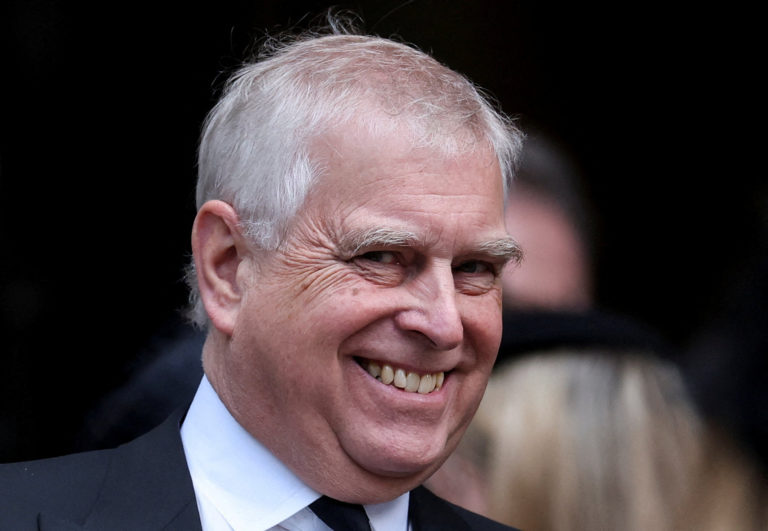
In a historic and controversial move, King Charles III has formally stripped his younger brother, Prince Andrew, of all remaining royal titles, military affiliations, and privileges.
This decision effectively ends Andrew’s status as a member of the British royal family in any official capacity — a move many royal watchers are calling “the final break.”
According to multiple reports from The Guardian and People, Buckingham Palace confirmed that Prince Andrew will no longer carry the style “His Royal Highness” and will henceforth be addressed as Andrew Mountbatten-Windsor.
The King’s decision came after months of internal discussions about the royal family’s public image and ongoing fallout from Andrew’s connection to Jeffrey Epstein, the late convicted sex offender.
Despite Andrew’s continued denial of any wrongdoing, the association has long shadowed the monarchy.
In an official statement, palace aides described the step as “necessary to preserve the integrity and credibility of the Crown.”
The decision also includes the termination of Andrew’s 75-year lease on the Royal Lodge, his long-time home in Windsor Great Park.
Reports suggest he has been instructed to vacate the residence and relocate to smaller, privately funded accommodation — likely within the Sandringham Estate.
Royal insiders indicate that King Charles personally made the decision after consultations with senior courtiers and government advisers. The move aligns with the King’s stated goal of a “slimmed-down monarchy”, reducing taxpayer-funded support to only active working royals.
Prince Andrew’s public downfall began in 2019 following his disastrous BBC Newsnight interview, where he attempted to address allegations of sexual misconduct linked to his friendship with Epstein.
The interview sparked widespread backlash and led to his immediate withdrawal from public duties.
In 2022, he reached an out-of-court settlement with Virginia Giuffre, the woman who accused him of sexual assault — though he admitted no wrongdoing. That year, Queen Elizabeth II stripped him of his military titles and royal patronages.
Now, under King Charles’s reign, what remained of Andrew’s royal identity has been formally and legally severed.
The announcement has sparked mixed reactions across Britain.
Royal biographers have called it “a necessary but painful chapter for the monarchy.”
Public opinion on social media has largely favored the decision, viewing it as a long-overdue act of accountability.
However, sources close to Prince Andrew describe him as “deeply shocked and personally hurt.”
Princess Beatrice and Princess Eugenie, Andrew’s daughters, reportedly retain their royal titles and public standing, as the move does not extend to their lineage.
With the loss of his royal style, Andrew’s future remains uncertain.
-
He will no longer represent the monarchy at any public event.
-
His security and financial support will now come from private funds.
-
The title Duke of York is now considered dormant and may be reallocated by the Crown in future generations.
Royal analysts believe the move also sends a message about King Charles’s determination to modernize the monarchy’s image, especially amid growing scrutiny and declining public support.
Once dubbed “the Queen’s favorite son,” Prince Andrew’s journey from high-ranking royal to private citizen marks one of the most dramatic falls from grace in modern royal history.
The man once styled as His Royal Highness, The Duke of York, now bears no official title or role — an extraordinary symbol of how even the highest ranks are not immune to accountability in the public eye.