


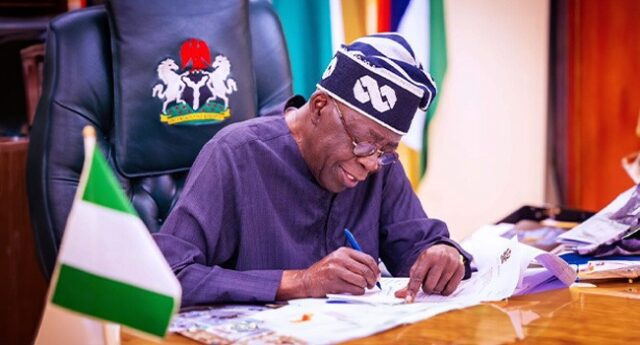

After nearly two years of operating without formal ambassadors in most of its foreign missions, Nigeria under President Bola Ahmed Tinubu is reportedly on the verge of a diplomatic pivot. With pressure mounting—especially from the United States—Tinubu has authorized final vetting procedures to complete ambassadorial appointments to strategic countries.
This signals a break from the prolonged “diplomatic vacuum” that has defined Nigeria’s foreign service since September 2023, when Tinubu recalled all envoys abroad to restructure Nigeria’s diplomatic corps.
The urgency now being displayed suggests the administration views restored ambassadorial representation as essential amid rising tension with the U.S.—especially after controversial statements emanating from Washington.
Tinubu’s recall of envoys in September 2023 was framed as part of a sweeping realignment of Nigeria’s foreign service. Since then, embassies and high commissions have been largely managed by chargés d’affaires—senior diplomats who lead in an acting capacity but lack full ambassadorial authority.
Sources cited by Reuters and others point to funding constraints, bureaucratic delays, and lengthy security and background checks as factors that stalled the appointment process.
In some cases, nominees on earlier lists became disqualified—having died, retired, or taken other positions—necessitating updates and fresh vetting.
With Nigeria’s macroeconomic challenges high on Tinubu’s agenda—e.g. stabilizing the naira, inflation control, energy sector reforms—foreign policy was often seen as lower in the pecking order
What’s Driving the Rush Now?
U.S. Pressure & Diplomatic Signalling
The renewed urgency appears linked to recent escalations involving the United States, particularly remarks by Donald Trump threatening military intervention over alleged persecution of Christians in Nigeria. Without full-fledged ambassadors in place, Nigeria’s ability to respond credibly in diplomatic fora has been constrained.
By deploying seasoned ambassadors, the government hopes to restore its capacity to manage sensitive dialogues, correct narratives, and handle bilateral friction more robustly.
Diplomatic observers warn that functioning with lower-level representation erodes a state’s influence and prestige. Installing full ambassadors is seen as restoring Nigeria’s stature in international negotiations, especially with major powers and multilateral actors.
Within Nigeria’s foreign affairs apparatus and civil service, there’s pressure for clarity. Foreign service officers, career diplomats, and stakeholders have long urged the government to fill ambassadorial slots—arguing that doing so is crucial for trade diplomacy, consular services, and Nigeria’s soft power.
What We Know About the Process Now
-
Tinubu has directed security agencies to finalise vetting immediately.
-
The “list cleanup” is underway: names from prior nominations that are no longer viable (due to death, retirement, health, or reassignment) are being replaced.
-
Some of the earlier list had passed Senate screening, but revisions were demanded to ensure only fully eligible candidates remain.
-
Sources suggest the updated list could be submitted for confirmation within days to a week.
-
The Ministry of Foreign Affairs has already warned that some purported lists circulating on social media are false and misleading.