

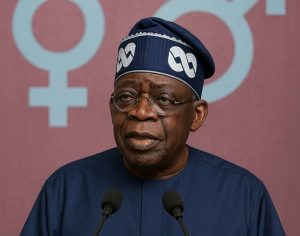
In a move that has stirred nationwide debate, President Bola Ahmed Tinubu’s decision to grant presidential pardon and clemency to 175 Nigerians has become one of the most talked-about developments in the country this week.

While the initiative was intended to mark a new era of justice reform and compassion, the inclusion of several controversial names has triggered widespread public criticism.
Aims of the Pardon Exercise
According to the Presidency, the mass clemency effort was guided by recommendations from the Presidential Advisory Committee on Prerogative of Mercy (PACPM).
The goal was to decongest correctional facilities and offer a second chance to select inmates who met clear criteria, such as age, health, or demonstrated reform.
However, as the full list was made public, eyebrows were raised across Nigeria.
The mix of convicts included drug offenders, illegal miners, financial criminals, and even capital offenders.
This fueled suspicions that the list may have been compromised by political or personal influences.
The Controversial Names
Among those drawing public attention is Maryam Sanda, who was convicted for the murder of her husband in 2017. Many Nigerians, including human rights advocates, have described her inclusion as a “moral outrage” and a betrayal of victims’ families.
Security agencies such as the EFCC and NDLEA reportedly objected to certain names — especially those of convicted drug barons and violent offenders — claiming they were “smuggled in” after the advisory committee’s review.
Tinubu’s Government Under Pressure
In the wake of mounting criticism, President Tinubu’s administration has moved to review the pardon list before it becomes official.
Attorney-General of the Federation Lateef Fagbemi (SAN) confirmed that the clemency process remains at the final administrative and legal review stage.
“No one has been released yet,” Fagbemi clarified, adding that the government is ensuring every name meets proper legal and moral standards before instruments of release are signed.
Sources close to the Presidency suggest that some names are likely to be dropped from the list to restore public trust.
Civil Society and Public Reaction
Prominent voices such as Femi Falana (SAN) and several civic organizations have called for a complete withdrawal and re-examination of the list.
Falana warned that “the rule of law and moral integrity of the state are at stake” if clemency is granted to individuals convicted of heinous crimes.
The Nigerian public has also taken to social media with hashtags like #ReviewThePardonList and #JusticeForVictims, urging Tinubu to act decisively.
What Happens Next?
For now, the pardon exercise remains under review.
Government insiders hint that the final version will be “pruned” to remove controversial names, after which the corrected list will be forwarded to the Controller-General of Corrections for implementation.
As Nigerians await the final outcome, one thing is clear: the integrity of this pardon process will be a litmus test for Tinubu’s commitment to justice, fairness, and transparency.