


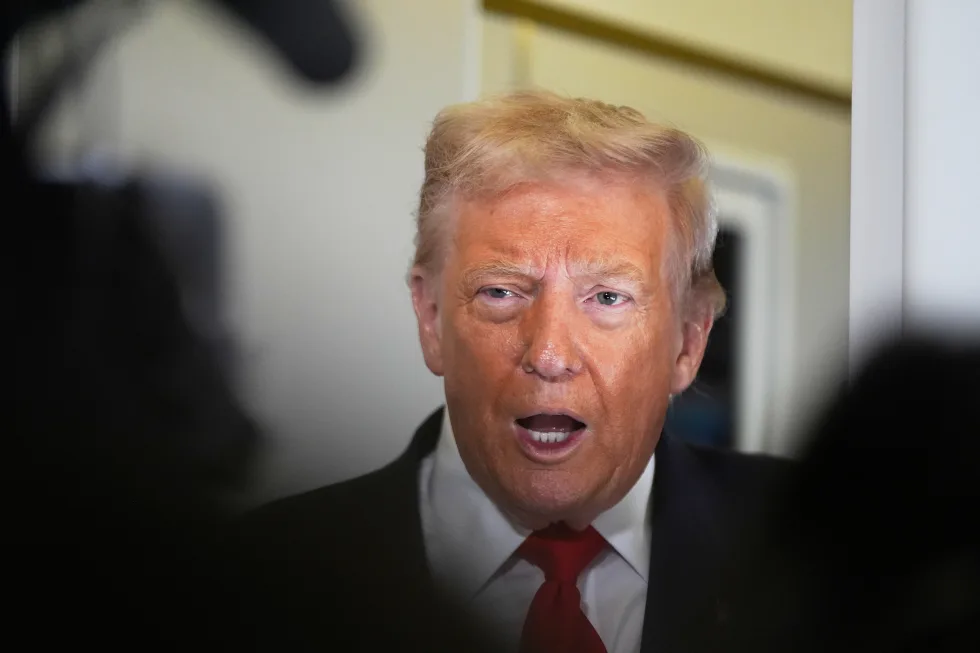
In a heated Cabinet-meeting on December 2, 2025, Trump launched a harsh, sweeping attack on Somali immigrants in the U.S. “They contribute nothing. I don’t want them in our country,” he declared, according to his remarks to reporters. He added that Somalia is “no good for a reason,” and said the country “stinks,” insisting immigrants should “go back to where they came from and fix it.”
He also directed his vitriol at Ilhan Omar — the Somali-American U.S. Congresswoman — calling her “garbage,” along with “her friends” and “their kind.”
Adding policy weight to the rhetoric, his administration reportedly instructed U.S. Immigration and Customs Enforcement (ICE) to begin enforcement operations targeting undocumented Somali immigrants in the Minneapolis–St. Paul area, where America’s largest Somali community lives — and moved to terminate protections that had shielded some Somali immigrants from deportation.
Unsurprisingly, the remarks triggered immediate and widespread outrage. Leaders from the Minneapolis–St. Paul area including Jacob Frey, the city’s mayor strongly condemned Trump’s statements. Frey stressed that Somali immigrants have contributed to the vibrancy of the city, launching businesses and enriching the social and cultural life of the community.
At the same time, Somali individuals and diaspora organizations around the world reacted with anger and hurt. Many described the language as racist, dangerous, and demeaning a sweeping condemnation of an entire ethnicity and community.
Still, in Somalia, opinions appear more divided. While official statements condemned the insults, some residents interviewed by global media acknowledged that Somalia does face problems, including political instability and insecurity — though few defended Trump’s sweeping generalizations.
This episode is more than harsh rhetoric. It reflects a broader shift in how immigration — especially from African and Muslim-majority countries — is being framed by political leaders in the U.S. Under this narrative, entire communities are cast as burdens, rather than individuals with distinct lives and contributions.
By targeting Somali immigrants as a group, the comments raise serious questions about civil rights, national identity, and the limits of public discourse for political leaders. For many Americans — and especially immigrant groups — such broad-brush attacks evoke fears that lawful, contributing members of society could become targets, regardless of their status.
At the same time, some analysts argue that the remarks and policies may deepen alienation and foster division, not only within the U.S. but also between the U.S. and countries like Somalia.
What’s next — uncertainty and tension
-
The planned ICE enforcement in Minnesota threatens to disrupt thousands of lives — including long-established families, U.S. citizens, and legal residents. Several local officials have warned that sweeping operations risk civil-rights violations and wrongful detentions.
-
Somali diaspora communities are organizing protests, legal challenges, and public awareness efforts. Many aim to dispel stereotypes and defend the dignity of Somali immigrants, shining a light on their economic, social, and cultural contributions.
-
On the political front — both in the U.S. and abroad — the controversy could redefine how immigrant-origin communities are discussed and treated. The global backlash might influence foreign-policy perceptions of the U.S., particularly among African nations.