

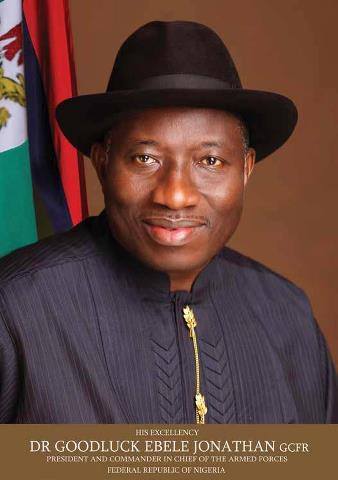

As a military takeover grips Guinea-Bissau, former Nigerian President Goodluck Jonathan finds himself among a number of foreign dignitaries and election observers stranded in the country. The developments follow a shock announcement on 26 November 2025, when a faction of army officers declared they had seized power, suspended the electoral process, and shut national borders.
Jonathan, who was in Bissau as part of a high-profile, 36-member joint election-observation delegation from African Union (AU), ECOWAS and West African Elders Forum (WAEF), is reported to be safe but unable to leave as airspace and borders have been sealed.
The closure came shortly after both the incumbent president and opposition candidates claimed victory just before the official announcement of results a move that triggered the military’s takeover and prevented planned departures of international observers.
On 26 November, soldiers appeared on state television announcing they had “assumed full powers” of the state, citing the need to prevent a purported plan to manipulate election results. Gunfire was reported earlier near key government and electoral bodies in the capital, Bissau.
The junta declared the formation of a “High Military Command for the Restoration of Order,” suspended the electoral process, and closed land, air, and sea borders effectively locking down the country.
As a result, dozens of foreign observers including heads of missions and former heads of state found themselves stranded, unable to depart the country as planned.
Among them is Goodluck Jonathan, described by several media outlets as “trapped but safe” in Bissau.
Back home in Nigeria, there has been an urgent call for action. The lower chamber of the national legislature, the House of Representatives, passed a resolution demanding that the federal government deploy diplomatic channels immediately to ensure Jonathan’s safe return.
According to sources, Nigerian authorities have confirmed that efforts are underway to guarantee his security and facilitate his exit from Guinea-Bissau. A “multinational task force,” reportedly including Nigerian personnel, has been mobilized as part of the mission.
Officials describe Jonathan’s stay in Bissau as temporary he remains “safe” and the government has pledged to prioritize his safe return.
The coup has drawn condemnation from regional bodies and the election observation mission itself. The AU, ECOWAS, and WAEF jointly denounced the military takeover, calling it a severe violation of democratic norms and constitutional order.
In a statement, the observer mission led by former presidents including Jonathan — described the takeover as “deeply troubling,” especially given that voting had concluded peacefully and observers had only recently met with the two leading presidential candidates, both of whom had pledged to respect the will of the people.
They called for the immediate release of detained electoral officials and urged regional bodies to restore democratic governance as soon as possible.
As Guinea-Bissau limps into an uncertain interim period under military rule, the fate of foreign observers including Jonathan remains tied to the volatile security and political environment. With all travel in and out suspended, their exit depends on rulings by the new junta or diplomatic negotiations.
In Nigeria, diplomatic channels have been activated swiftly, with signals that efforts to secure Jonathan’s safety and return are underway. Meanwhile, regional and international actors are calling for a quick restoration of constitutional order.
For many observers of West African politics, the case of Goodluck Jonathan stranded abroad while a country falls into crisis underscores both the fragility of democratic governance in the region and the risks faced by international election monitors operating in unstable environments.